
 Stephanie Heath
If you have ever felt sick while flying, it could have been more than just the nerves. New reports indicate that toxic fumes on planes have been leaking into the aircraft. Now, those fumes may be making both passengers and crew ill.
Videos by Rare
The Details: The Wall Street Journal reported that toxic fumes have begun leaking into specific aircraft. Along with this news, they shared a video of one such event occurring. They have decided to look further into the matter, and what they are finding is alarming. Not only is the problem increasing, but it also appears that little is being done about it.
- The WSJ shared that “Doctors compare brain effects [ of being exposed to these toxic fumes] to concussions in NFL players.”
- This is a result of toxic fumes from jet engines leaking into the cockpit and cabin of commercial jets. This is a design element referred to by People Magazine as “bleed air.”
- “Bleed air pulls air through the engine of a plane.” Although there are seals within the engine designed to stop these leaks, wear and tear happen. This wear and tear allows “oil to seep in and vaporize in the heat, releasing toxic compounds onboard.”
The Results Could Be Dangerous
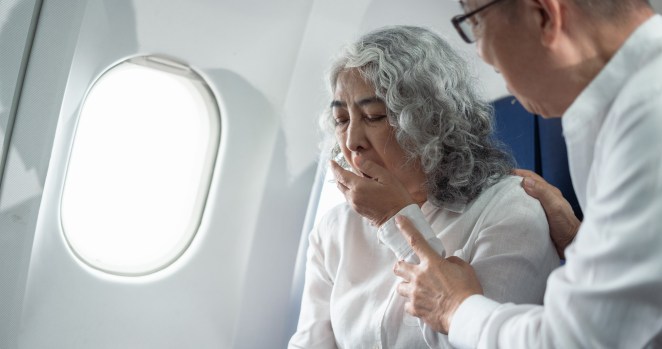
The WSJ spoke with neurologist Robert Kaniecki on the health risks of being exposed to these fumes. He argued that aircraft manufacturers and airlines have been downplaying the risk of toxic fumes on planes. Additionally, he pushed for the implementation of new specific safety measures to help prevent any further risks.
- The WSJ reported that the fumes entering the cabin consist of “unknown quantities of neurotoxins, carbon monoxide, and other chemicals.”
- Although occasional or one-time exposure has not proven to be toxic, long-term exposure has been linked to more serious health issues.
- Passengers who have been exposed to these fumes have described the smell as “wet dog”, “Cheetos,” and “nail polish.”
What Are the Risks: Kaniecki shares the health risks associated with these toxic fumes. After treating dozens of pilots and many flight attendants, he has found a link between brain injuries and this fume exposure. The connection was so prevalent that he equated it to a “chemical concussion.” He described this concussion as similar in effect to the physical concussions NFL linebackers suffer from after a big hit.
- A320s seem to have more toxic fumes on their planes than Boeing’s 737s
- A spokesperson for the Federal Aviation Administration argued that “the agency has strict cabin air standards.” Furthermore, “studies have shown cabin air is as good as or better than the air found in offices and homes.”
- Additionally, they argue that these mechanical issues, which lead to fumes entering the cabin, are “rare” and that such instances are reported, investigated, and fixed “before the aircraft returns to service.”