
 Leo Gillick
The beauty of kitchen gardens is that, throughout the year, everything needed for a healthy diet can be grown. No more pesticides, no more inflated prices, just a bit of dirt under the nails and a bountiful harvest. Now, people are returning to the art of edible gardening, and there are more benefits than just a reduced grocery bill.
Videos by Rare
What it is: A kitchen garden is a plot of land designed to feed a household throughout the year. They were popular during the 18th and 19th centuries, as well as during wartime. A well-managed one would provide eggs, honey, herbs, medicinal plants, vegetables, fruit, and in some cases, even fish and meat. The idea was that a small patch of land could provide year-round sustenance.
It may seem like an impossible task, but with some planning and time, it’s very achievable. They faded from popularity as more people moved to homes with no gardens, and abundance returned. Constraints from long work hours also reduced the time we have to pursue private goals. But, they’re coming back.
Why it’s making a return: Rising prices in groceries, egregious genetic modification, and pesticide use have encouraged people to go truly organic. Allotments and green patches are being cultivated into kitchen gardens across urban areas and the countryside. The people are taking back their means of consumption.
1. Kitchen Gardens Are More Than Just A Meal
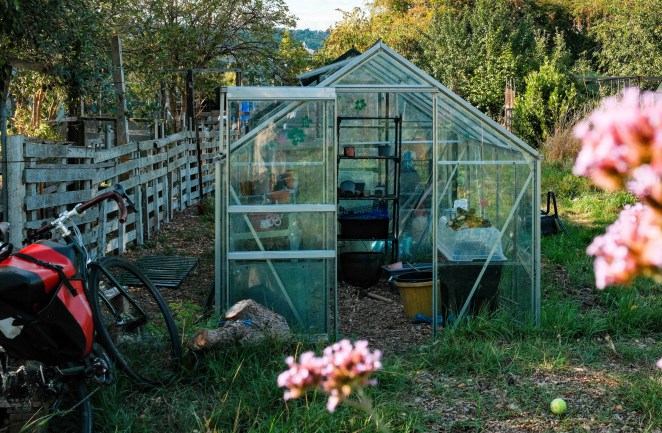
Learning how to garden for a kitchen isn’t just about having a box of carrots and a few plums at the end of a season. There is a whole range of benefits that come along with the practice.
Of course, the primary one is no longer relying on grocery stores. A simple kitchen garden can provide more than enough for a family. Everything from eggs to fruit and veg can be grown for next to nothing. Obscenely inflated prices are a thing of the past when just a little time and patience are all that is needed to pay for fridges full of fresh food.
2. Unearthing the Benefits of Veg Beds
I took the time to visit an allotment owned by a green-fingered gardener. For the past few years, he had turned his patch from an overgrown wasteland into an inner city oasis of herbs, veg, flowers, and tranquility. Overlooking the city, we walked around his kitchen garden, and he told me of what he had taken away from the experience.

An expert weighs in: James Fletcher hadn’t grown a garden before, so every day was a school day. But it wasn’t the theory that stuck with him the most. “Having an allotment has taught me a lot of gardening skills,” he began. “But above all, it has taught me how to be resourceful, to solve problems creatively with cost-effective or free solutions.”
The personal benefits go beyond simply learning to be resourceful. In the high-speed, loud world we live in, the pacing of a kitchen garden teaches the reward of patience. As Fletcher highlighted, “It is a very mindful task that requires you to accept that progress takes time and success won’t happen overnight. Accepting this will help you to focus on the process, and this is meditation. Every once in a while, though, you will be surprised at how far things have come and relish in it.”
We live in a world of convenience. In a modern city, everything is instant and always available. Part of growing kitchen gardens is understanding the natural process. Everything all the time isn’t how it works.
- “It is a big undertaking and can quickly become overwhelming when lots of ideas come to mind at once – but you have to stay focused and prioritise what tasks need to be accomplished to grow plants that will thrive.”

3. Growing Freedoms
We are all at the mercy of suppliers, grocery store owners, and the health agencies. They determine how much we pay for essential goods, their quality, and the chemicals we ingest.
Kitchen gardens are an act of rebellion. Not only do they remove money from a greedy and unhealthy system, but they also allow people to take control of the foods they put into their bodies.
With a little time, patience, and, of course, the privilege to have the time and money to maintain a plot, amazing foods can be grown. Over time, a well-cultivated kitchen garden will produce a bounty of food, untouched by chemicals, and packed with nutrition and flavor.
And, the best bit is, it’s basically free.