
 Stephanie Heath
A huge great white shark was recently spotted off the coast of Canada. Marine biologists are arguing that it is the “biggest great white shark ever recorded in the Atlantic.”
Videos by Rare
The Details: The NY Post shared details surrounding this massive great white shark.
- Scientists at OCEARCH tagged this huge, male great white shark back in January in the North Atlantic and named it Contender.
- The shark is 14 feet long and weighs 1,653 pounds.
- The shark, estimated to be over 30 years old, was recently spotted again off the coast of Canada.
What’s Got Contender On The Move?
This past January, Contender was spotted off the Florida-Georgia coast; now, several months later, he is near Canada. The NY Post shared that this shark is “one of the furthest northern pinging sharks” that researchers have seen. What has got this huge great white shark on the move?
According to researchers, male great white shark movement revolves around two things:
- Mating
- Preparing for winter
Chris Fischer, 56, founder and expedition leader of OCEARCH, shared that an animal like Contender that spends so much time up north during the summer and fall is preparing for the winter. Great whites are well adapted for life in colder climates.
- Fischer shared, “White sharks have the capacity to warm themselves and be in cold water, but they have to have a lot of food.”
- Then the expedition leader equated the massive shark to horses, saying that “as long as they have food, they’re fine.
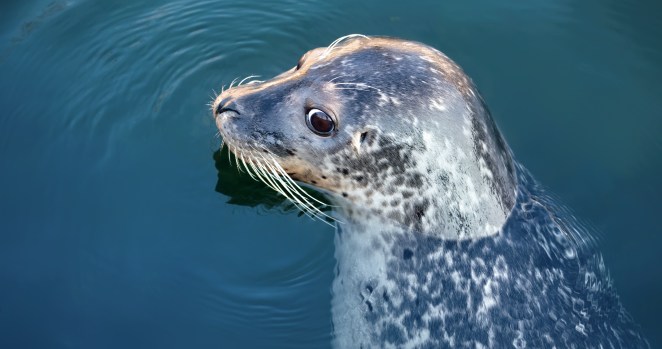
That brings us back to Contender’s movements. He is up north because he is trying to put on weight for winter. He is doing this by loading up on the seals. Given his massive weight, I would say he is taking the bulking season to an entirely new level.
Benefits for People
Although it may seem terrifying to have a behemoth of a creature like this near your coastline, it does not come without benefits. Fischer shared that Contender is “putting a lot of pressure on seals.” He is doing this by:
- Eating seals constantly.
- Swimming in front of seal colonies.
Due to the threat that Contendrer poses, the seals have changed their behavior. Rather than freely swimming and consuming massive amounts of fish, they need to be more cautious.
- “The byproduct of putting that pressure on the seals is really good; they’re guarding our fish stocks,” Fischer said.
So while this huge great white is bulking up for winter, he is also helping people store up on their fish supply. It is a win-win, except for the poor seals.